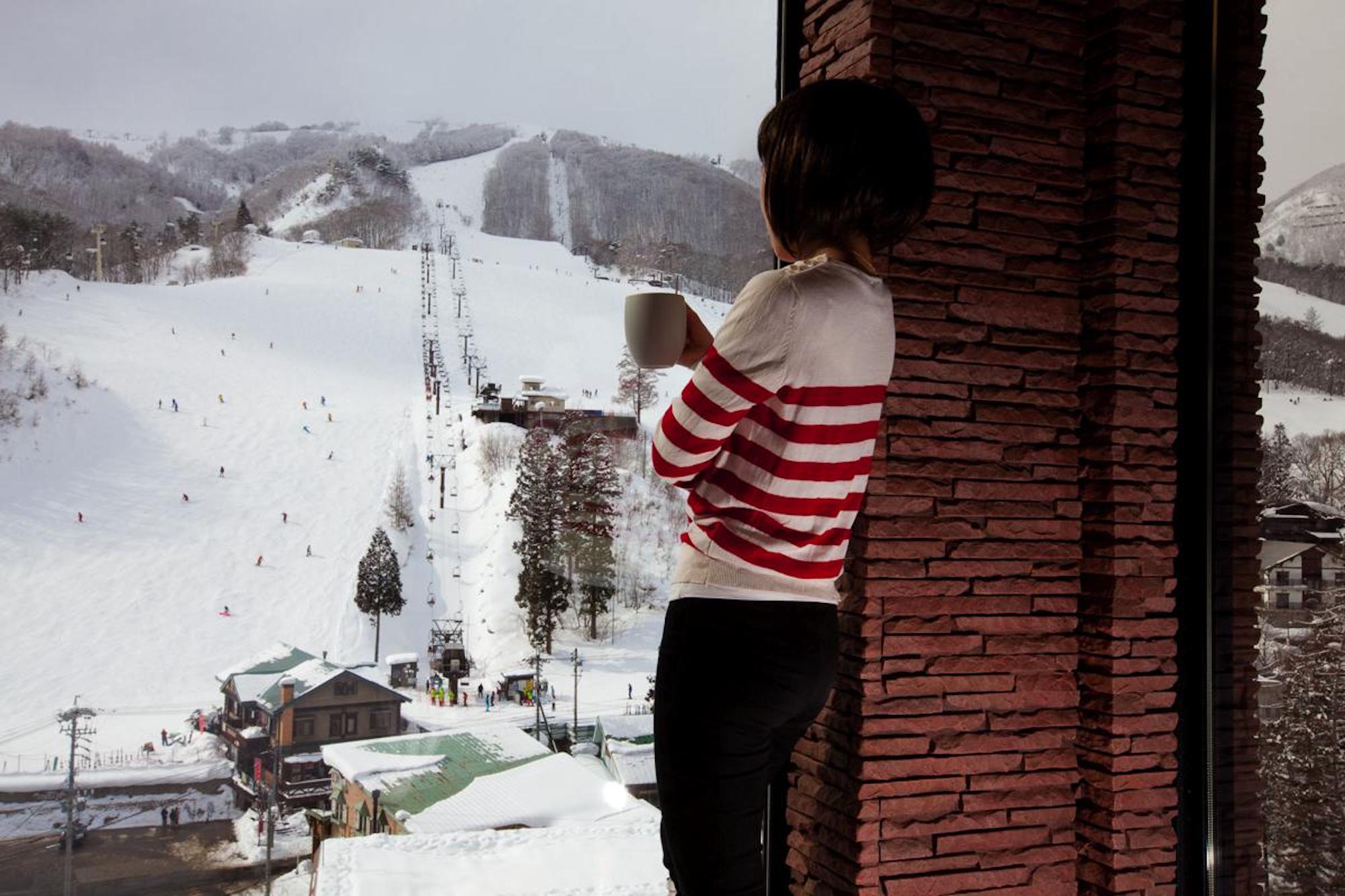

Transitioning from the metropolitan buzz of Tokyo to the majestic mountains of the Hakuba Valley almost feels like entering another world. In reality, this transformative trip only takes around three hours aboard a super-efficient Japanese bullet train. That ease off access has made Hakuba one of the most popular ski destinations in Japan and indeed, Asia.
While the travel time might be diminutive, Hakuba itself is anything but. The area boasts 10 ski resorts, each with its own unique appeal: Jigatake is kid and beginner friendly while Cortina gets the best powder. For more details on each resort, check out our Hakuba travel guide.
The best place to start exploring the valley is at its epicentre – Happo One. From the longest runs to the buzziest nightlife, Happo One is the beating heart of Hakuba. Because it’s also Hakuba’s main transit hub, you can visit other resorts with ease and simply enjoy the Hakuba Valley to the fullest.
Orientation – Where to Stay in Happo One
Happo Village is the area located just at the base of Happo One ski resort. This is the most popular ski resort in Hakuba. It has the largest ski area in the valley, with plenty of runs to suit all skill levels plus a variety of international ski schools. If you stay in Happo Village, you can usually walk to the lifts. Besides skiing, Happo attracts visitors with its vibrant dining and apres-ski scene and general ease of access. The Happo Bus Terminal works as an entry point to Hakuba and also connects Happo One to other resorts in the valley. View chalets in Happo.
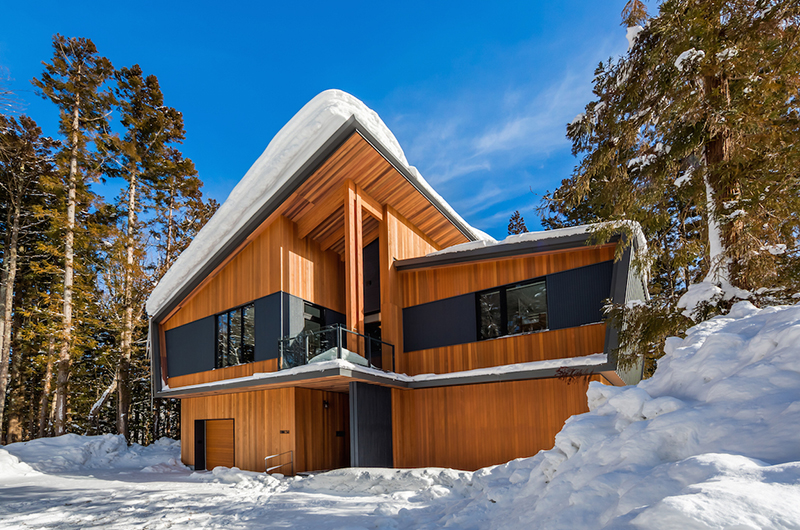
The Wadano area is located just north of Happo One. This is a more peaceful area characterised by forest views and refined accommodation. The chalets here are generally larger and grander than those you’ll find in Happo proper. While Wadano is a more relaxed area, it’s still close to the action – about a 20-minute walk or a five-minute drive from central Happo – and even boasts a few hotspots of its own. The Sakka lifts are the closest for guests staying in Wadano. View chalets in Wadano.
Heading about 1 kilometre south from Happo One, Echoland is arguably Hakuba’s main dining district. The neighbourhood is pierced by a main street lined with relaxed eateries, cafes and apres-ski pubs. When you stay in Echoland, you’re pretty much guaranteed to have a restaurant within an easy walk. However, hitting the slopes will require some wheels. Luckily, the area is serviced by Hakuba’s ski shuttles. View chalets in Echoland.
Skiing – Terrain, Lifts & Ski Passes
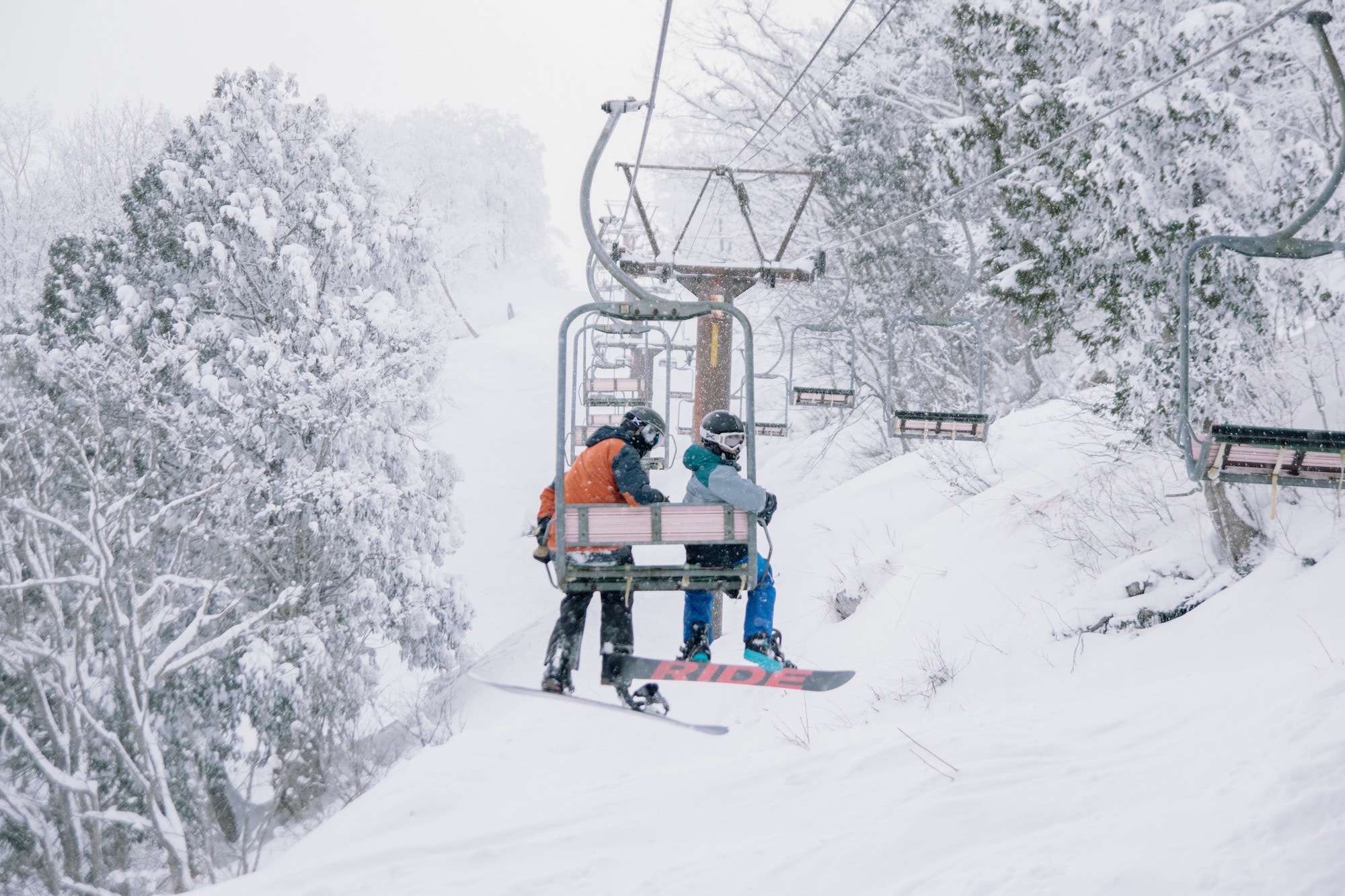
With some 220 hectares of skiable area, Happo One is the largest ski resort in Hakuba. It’s also arguably the most versatile resort. Boasting a vertical drop of some 1,071 metres, the resort features 22 ski lifts and 14 runs ranging from mellow green runs to thrilling double black diamond courses. There’s really something for everyone here.
If you’re bringing the family, Happo One has two designated areas for kids: the Nakiyama Snowland Park and Adventure Park Sakka. Both of them offer fun snow activities for kids – think trampolines, inflatable slides and jungle gyms. Nakiyama also has kid friendly ski slopes while Sakka has green runs for beginners.
You can access the lifts at Happo One with the Hakuba Valley Day Pass which provides access to all 10 resorts. Hakuba ski passes are relatively affordable compared to those in the US and Canada. For the 23/24 ski season, Hakuba Valley Day Pass was priced at 8,500 yen (55 USD) per day. Meanwhile, a day pass at Whistler Backcomb started from USD 133, while Aspen was priced at USD 179 and up.
You can also ski in Hakuba with the Epic Pass. Niseko, on the other hand, is not included – something to consider if you’re a pass holder.
Backcountry Skiing
Beyond the resorts, Hakuba offers some of the best and most varied backcountry skiing in Japan. In Happo One, backcountry skiing is characterised by wide open terrain and ridgelines. The Omusubi off-piste area offers fresh powder and steep runs that’ll send your heart racing. As this is a double black diamond off-piste area, it’s only suited for expert skiers.
If you prefer to ride in a tree zone, neighbouring resort Hakuba 47 has some of the best tree runs in Hakuba. A little further out, the Tsugaike double black diamond area offers a steep and thrilling ride among the trees. For expert skiers, it’s some of the best fun you can have in Hakuba.
Naturally, you should always take all the necessary safety precautions when skiing outside the resorts. For backcountry skiing, we highly recommend hiring a professional guide. They will help keep you safe on the mountain, as well as introducing you to the best locations with the freshest pow.

Olympic History
Hakuba Ski Jumping Stadium is a local icon and a striking monument to the region’s history. The stadium is one of the venues that hosted the 1998 Winter Olympics – an event that cemented Hakuba’s role as a winter sports capital.
Since then the stadium, which is open all year round, has become one of Hakuba’s most popular landmarks. Visitors can ride a lift up to the observation deck and enjoy sweeping views of the region – and admire the courage of the athletes who’ve jumped from these great heights! There’s also a small museum displaying memorabilia from the region’s Olympic past.
If you’re lucky, you might just get to witness future Olympic hopefuls practicing at the jump tower – even during the summer.
Dining & Nightlife
Happo Village and its surroundings (namely Echoland and Wadano) are the epicentre of Hakuba’s dining scene. If you’re staying in Happo, you’re never more than a few minutes away from your next great meal. Happo One is the busiest resort in the area and just like the clientele, the food scene too has become quite international.
While the dining landscape is varied and vibrant, it reads more casual cuisine than fine dining. You’ll find venues serving cosy izakaya fare, steaming hot ramen, wood fired pizzas, hearty burgers and more. Happo also has the liveliest apres-ski scene with bars and pubs serving ice cold beer, live music and DJ sets late into the night. For the highest concentration of restaurants, stroll along the main street in Echoland or simply weave your way through Happo Village.
As Hakuba is one of Japan’s most popular ski areas and Happo One is the most popular resort in Hakuba, most restaurants get packed during the ski season. It pays to plan ahead and make reservations, especially if you’re visiting during peak dates and/or are travelling with a larger group. Most restaurants allow for online reservations which ensures thing’s won’t get lost in translation.

Onsen Bliss
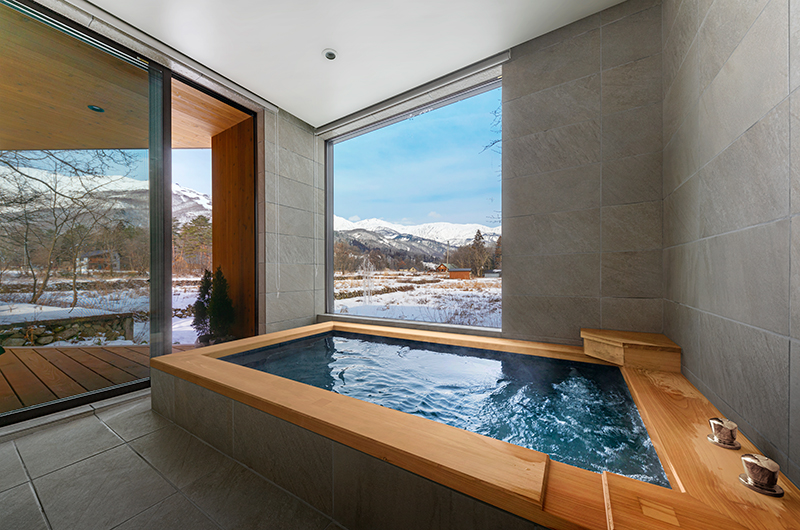
One of the things that makes skiing in Japan oh so very special is the ability to soak in a natural hot spring after a day on the slopes. There’s nothing quite as relaxing as submerging yourself in that balmy water after hours spent outside in the snow. Luckily, there are several public onsens in and around Happo Village. Hakuba Happo Onsen and Mimizuku are both located in central Happo and offer fabulous views of the mountains. If you’re staying in Wadano, the Obinata onsen might be closer by.
If you value privacy above all, chalets like One Happo and Alpinarc-4 come with their own onsen style baths where you don’t have to share with anyone.
Day Trips
Besides the sensational skiing, one of the best things about Hakuba is how easy it is to add some local colour and culture to your ski trip. There are fascinating landmarks within easy reach of the ski resorts, including:
- Jigokudani Wild Monkey Park – One of the most unique attractions in the area, home to some 200 wild Japanese macaques who brave the cold weather by bathing in natural hot springs. Located about 1h 45min from Happo.
- Kanazawa – Known as “Mini Kyoto”, this coastal town offers a beautiful fusion of historic charm, well preserved architecture and modern day vibrance. The Kenrokuen gardens are not to be missed. Located about three hours from Happo.
- Matsumoto – A city of some 240,000 people, Matsumoto is home to the 16th century Matsumoto Castle and the inspiring Matsumoto City Museum of Art. Located about 90 minutes from Happo.
- Togakushi Shrine – This serene community of Shinto shrines sits at the base of Mount Togakushi surrounded by mighty trees. Located about 75 minutes from Happo.

Thinking of heading to Hakuba next season? Be inspired by the best chalets in Hakuba or contact us with any questions you may have.