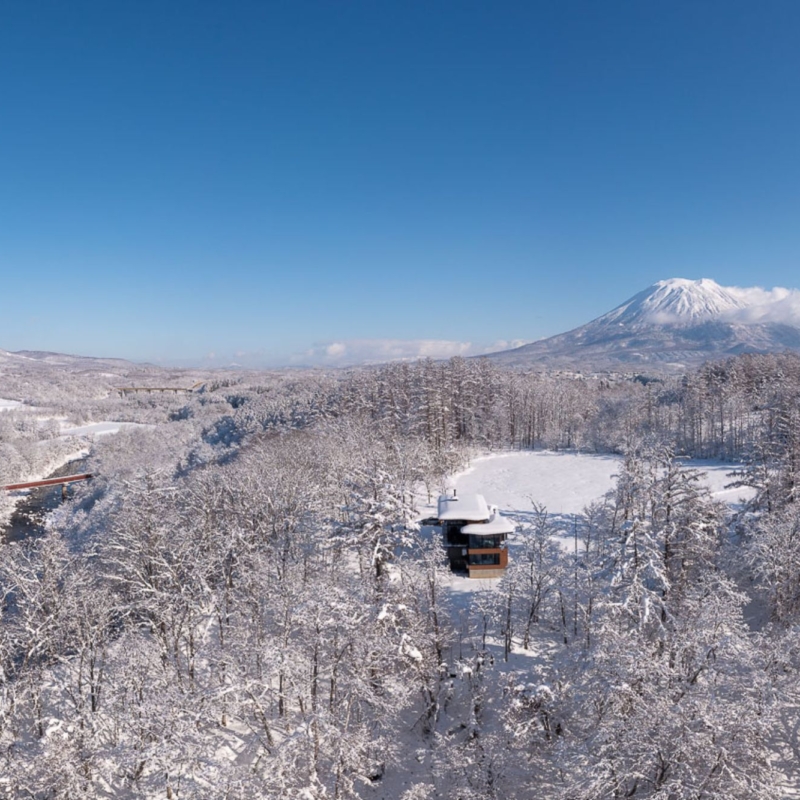
The Furano Valley stuns throughout the year. During the ski season, the area boasts some of the finest, driest powder snow on the planet. When the weather gets warm, the region is in full bloom, its dreamy lavender fields drawing in visitors from far and wide. To this day, Furano has not been swallowed up by generic travel trends and still offers an authentic Japanese experience that’ll leave you wanting more.

Overview
Furano or “Navel Town” is located smack dab in the centre of Hokkaido, the northernmost of Japan’s four main islands. Nestled between two mountain ranges, this fertile region is blessed with gorgeous green landscape during the summer and sees the driest, finest powder snow during winter. While the area has long attracted summertime visitors with its dreamy flower fields, it has also emerged as a ski destination to be reckoned with, boasting two ski zones with 11 lifts and 28 ski runs.
Visitors to Furano can stay snugly in the ski town or cross over Sorachi River to explore a wider range of restaurants, shops, and services waiting in Furano Town. Located about three-hours from buzzy Niseko, Furano offers a more relaxed and authentically Japanese experience, both during pow season and amid the sultry summer months.
History & Culture
The Village of Furano was first established in the late 1800s. The region has a strong focus on agriculture and to this day, Furano remains the top carrot producer in the country. The first ski lifts were established in the 1960s in what is now the Kitanomine Zone, followed by the Furano Zone in the 1980s. Throughout the decades, Furano has hosted several skiing and snowboarding championships. Besides agriculture, tourism has emerged as a key industry, with the area attracting over 1.5 million visitors each year.
Planning Your Trip to Furano
Furano’s ski season runs from late November until early May, bringing life and excitement to the ski town. Like everywhere else in Asia, Christmas, New Year, and Lunar New Year are considered peak season, but even during those dates, Furano stays quite subdued compared to other busier resorts. January is a popular time as well, particularly for Australians enjoying their school holidays. You can usually still ski as late as April, but services in the ski village might be more limited with some businesses having already closed down for the summer.
While the ski resort shuts down for the summer, Furano sees another peak in visitor numbers during the warm months as visitors flock to witness the region’s stunning flower fields. Furano’s famous lavender fields are typically in full bloom come July.
Furano Weather
Furano has four seasons, each of them stunning in its own right. The ski season typically spans from late November until early May. You’ll usually see the heaviest snowfall around late December and there might still be a tiny bit of snowfall in late April. Average temperatures range from -4°C in January to +24°C in August.
Things To See & Do in Furano
Located in the centre of Hokkaido, Furano is a study in contrasts. During the summer, the region is bursting with colours; from emerald-green fields to candy coloured flower meadows. Then the snow begins to fall, painting the whole region a magical shade of powder white. No matter which season you’re visiting, Furano will give you a taste of the real Japan as this beautiful region has not been diluted by global travel trends.
Attractions
Furano is famed for its stunning scenery. During the summer, the area attracts visitors with its stunning lavender fields while the winter months bring in the powder hounds. Here is an overview of the local ski slopes and other attractions in the area.
SKI ZONES
The Furano ski area features two ski zones which are both accessible with Furano lift passes. The two zones connect at the top and they both offer great skiing for all levels. When choosing a homebase, opt for the zone which best suits your mood:
- Kitanomine Zone – Boasts a lively little village at its base, dotted with chalets and restaurants.
- Furano Zone – Centred around a large hotel, with a more of an exclusive resort feel.
POINTS OF INTEREST
With its postcard-ready scenery, Furano has long been a favourite escape for locals. Note that many of the local attractions – from lavender meadows to patchwork fields – are only available during the green season. During winter, the ski slopes are hands down the main draw.
- Shirogane Blue Pond – This surreally pretty pond gets its unique hue from naturally occurring colloidal aluminium hydroxide.
- Shikisai no-oka – A hillside flower garden blooming with lavender, lupin, tulips, and more.
- Patchwork no Michi – A scenic area characterised by its patchwork-like fields.
- Daisetsuzan National Park – Hokkaido’s largest national park offers amazing hiking trails and gorgeous fall foliage.


Relaxation
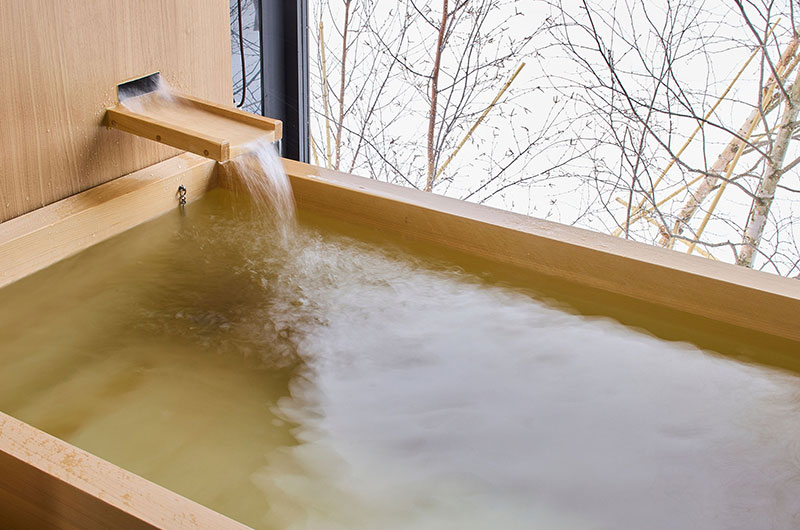
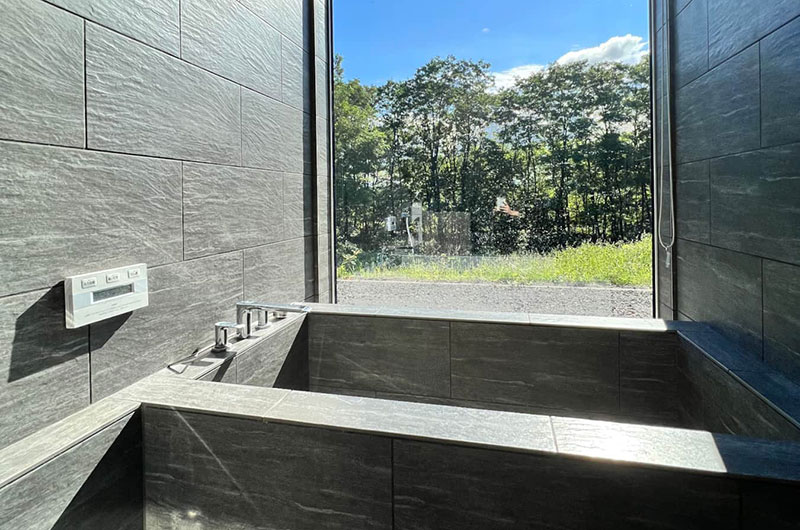
Skiing in Furano is fantastic – but it can also lead to sore muscles! Luckily, the area’s onsen baths offer the perfect way to relax and recharge after an action-packed day on the slopes.
ONSENS
Besides being incredibly relaxing, onsens are thought to have several health benefits. Flowing from a natural spring, the water is packed with minerals that are considered to be beneficial for the skin and can even improve your circulation. There are a few public onsens in Furano, typically with separate baths for men and women. For more information on all things onsen, check out our onsen etiquette guide.
Tours & Activities
During the winter months, Furano’s slopes are teeming with activity. Still, it doesn’t get nearly as busy as Niseko so you can enjoy that amazing powder to the fullest. Furano lift passes give you access to both of the local ski zones, i.e., Kitanomine and Furano. International ski schools and back country guides are also readily available.
In addition to skiing and snowboarding, you can experience Furano’s wintertime beauty by hopping on a snowmobile or heading out on a snowshoeing hike. Located at the base of the Furano Zone, Furano Snow Land offers a range of family friendly activities, including sledding, banana boats, and snow rafting.
Unlike many ski destinations, Furano doesn’t go into hibernation during the summer. In fact, the area sees its second peak during the green spell as visitors flock to marvel at the area’s amazing flower displays. The stunning landscape offers an idyllic backdrop for bike rides and hikes through the countryside.


Eating & Drinking
As the area has been spared from heavy tourism, the food scene in Furano remains pretty low-key and relaxed. In other words, it’s the perfect place to sample authentic Japanese food. Kitanomine has a growing number of restaurants catering to the ski crowd, while the Furano Zone centres around one hotel and only has a handful of options available. One fun option is to venture into Furano Town to try out the local restaurants available there. While restaurants in the ski town close down as the ski season draws to a close, the venues in Furano stay open all year round.
Local Cuisine
Hokkaido is famed for its high-quality produce, dairy products, and seafood, making the local cuisine particularly tempting. Here are a few local delicacies worth seeking out when visiting Furano.
Omukare
Arguably the most iconic local dish to try in Furano, omukare is a mix of omelette, rice, and curry. You can obviously find it served in many local restaurants, but the most famous spot is probably Yuiga Doxon, an unassuming eatery tucked in central Furano.
Furano Beef
Furano Wagyu is a rare brand of beef sourced from black Japanese cattle that’s fed a carefully engineered diet that’s free from additives. The result is highly praised Wagyu beef that’s perfect for steaks, nigiri, and sushi.
Ramen
Ramen is a Hokkaido staple, with different parts of the island boasting their own signature dish. Furano is located just an hour’s drive from Asahikawa which is famed for its double broth ramen. It’s essentially a seafood-based soup married with a pork, chicken, and vegetable soup, with thick soy sauce tare completing the trifecta.
Seafood
Hokkaido is famed for its high-quality seafood which you can sample in sushi, donburi, and beyond. Hokkaido crab (and hairy crab to be more precise) is a particular highlight – it is so good that it doesn’t require elaborate cooking or spices; it tastes divine simply steamed or grilled.
Milk Pudding
Basically, you should just try milk in any form as the region is famed for its dairy products. However, the local milk pudding is a very tasty way to go, especially if you pick yours up at Furano Delice where the pudding is served in miniature milk bottles. Delicious and adorable!
Melons
There is no sweeter way to snack than by picking up a juicy melon. The local melons have a high sugar content, making them the perfect addition to many desserts. Soft serve ice cream and smoothies make for a divine summertime treat.


Drinking & Nightlife
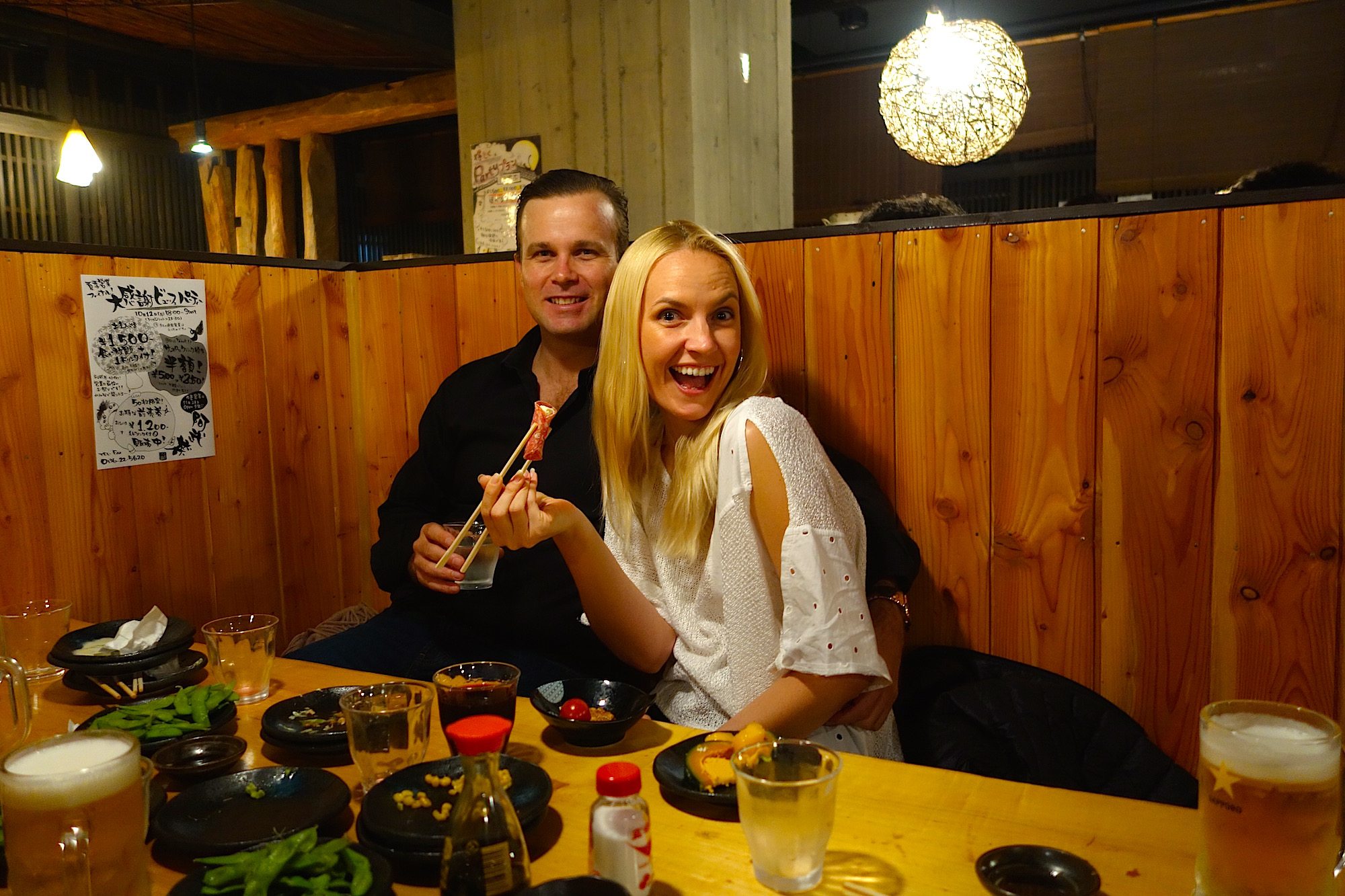
The apres-ski scene in Furano is pretty relaxed and low-key. (If you’re after a livelier scene, head to Niseko during peak season!) There are only a handful of places for enjoying a night out in the ski town and even those are cozy pubs rather than lively bars. For an authentic Japanese experience, head over to Furano Town for some late night izakaya or a round of karaoke.


Neighbourhoods
Furano is located right in the centre of Hokkaido, the northernmost of Japan’s main islands. Set in a valley, Furano is nestled between the Tokachi Mountain Range and the Yubari Mountains. Furano Town is located on the bank of the Sorachi River. It’s quite an established town with plenty of shops, restaurants, karaoke bars, pachinko halls, and more.
Crossing over the river, you will arrive in the ski town. Furano has two main gondolas servicing two ski zones: Kitanomine and Furano. About 90% of the accommodation options are positioned up in Kitanomine while Furano essentially only has one accommodation provider: a large Japanese hotel dating back to the 1980s.
Zooming closer into Kitanomine, there are two main hubs. A lot of the newer properties are built around Kitanominedori, the main street that runs up to the Kitanomine Gondola. It’s a grid-like neighbourhood where you’ll typically be within walking distance of the gondola and the nearest restaurants.
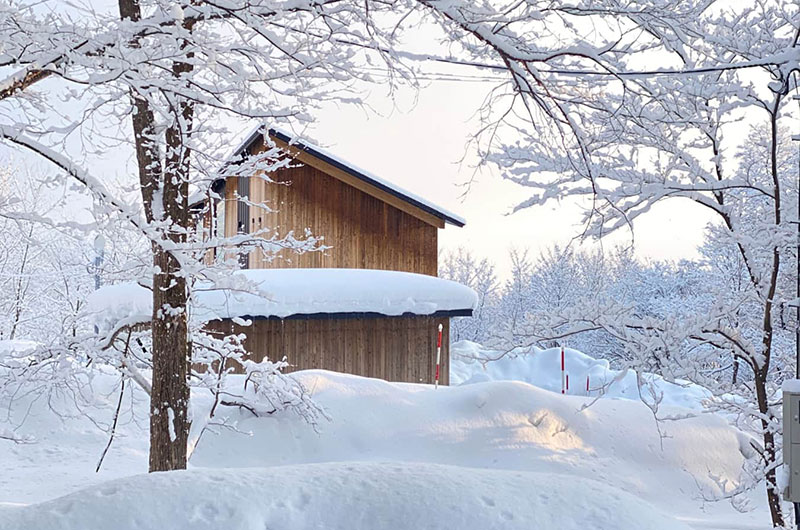
Located about 600 metres from the main street, the Shimogoro neighbourhood offers a more relaxed setting surrounded by forest. The setting is really beautiful, with quite a few chalets available and a handful of restaurants within a short walk.

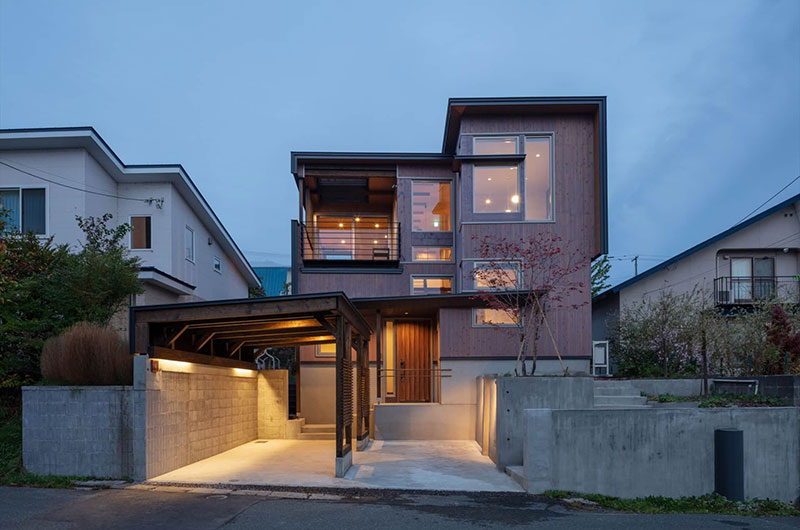
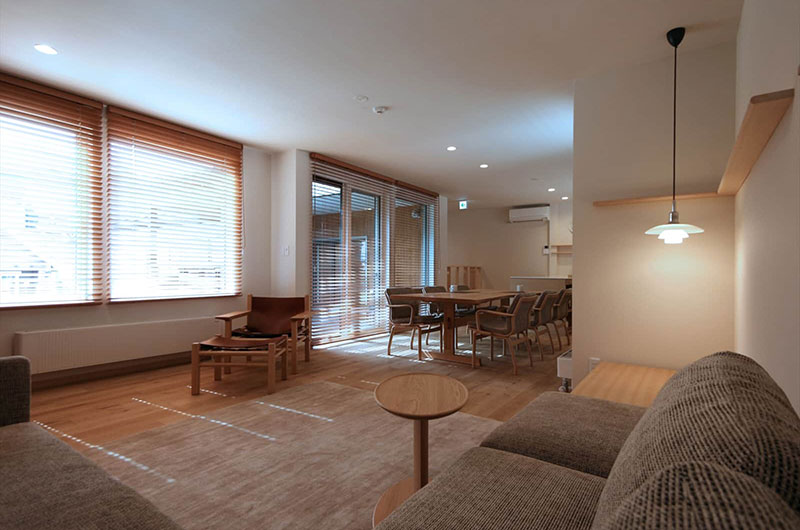
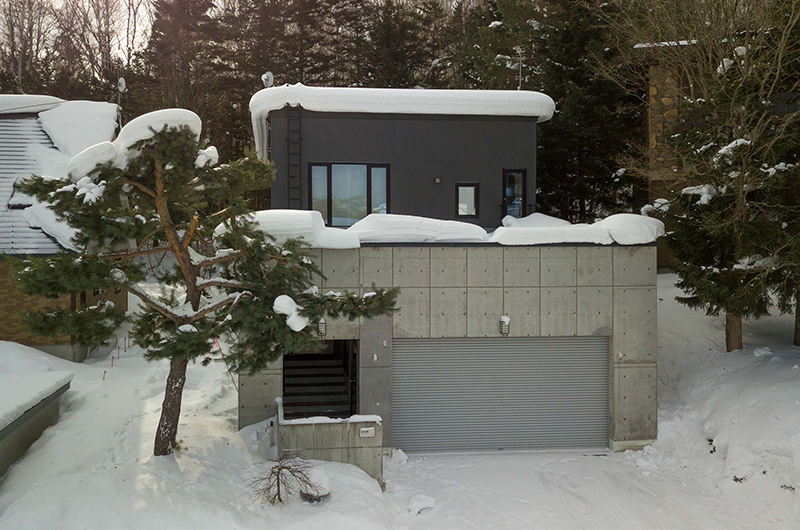
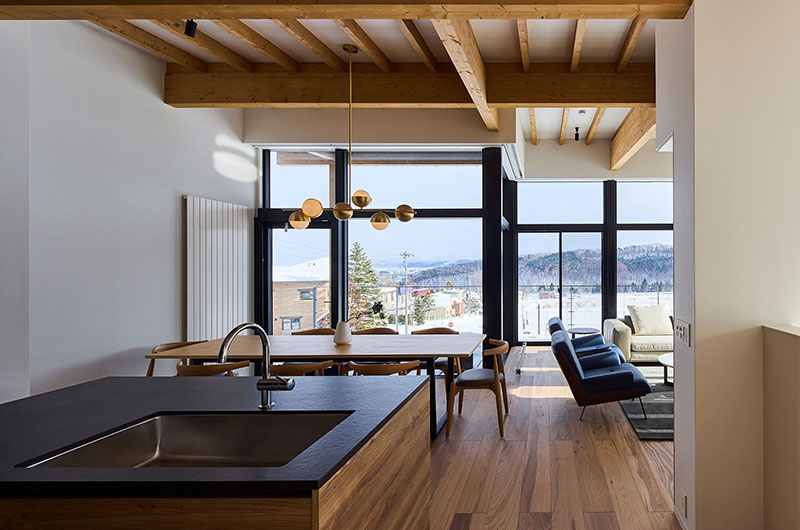
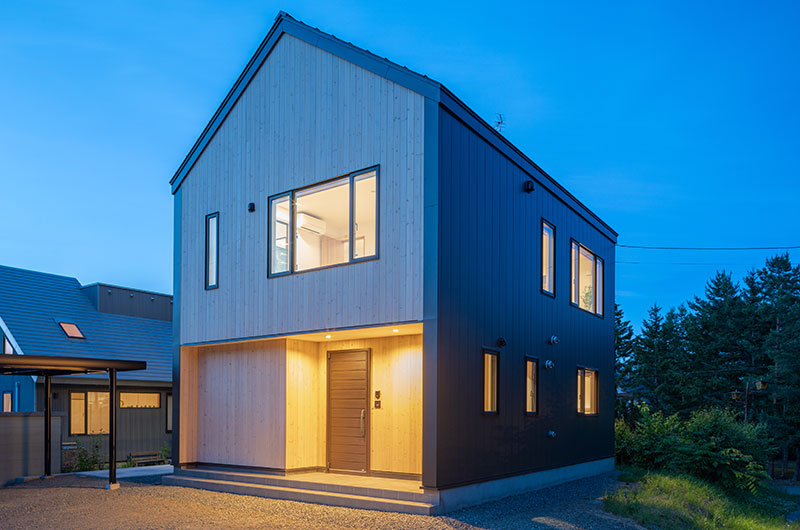
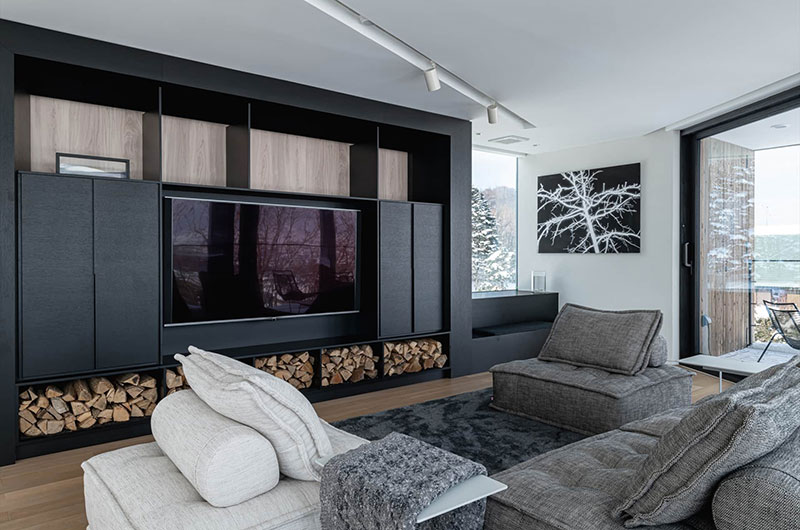
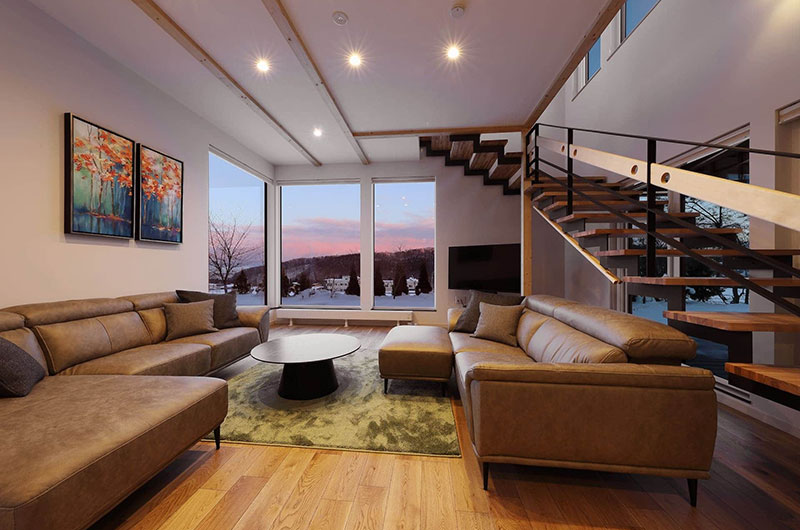
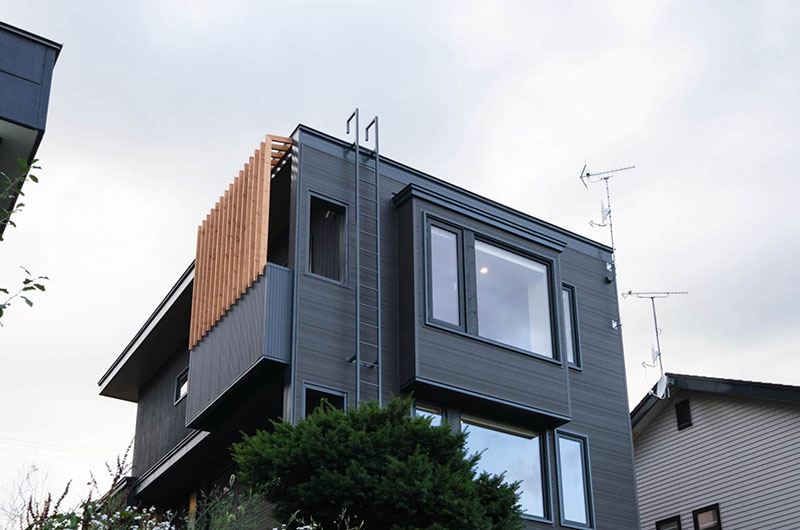
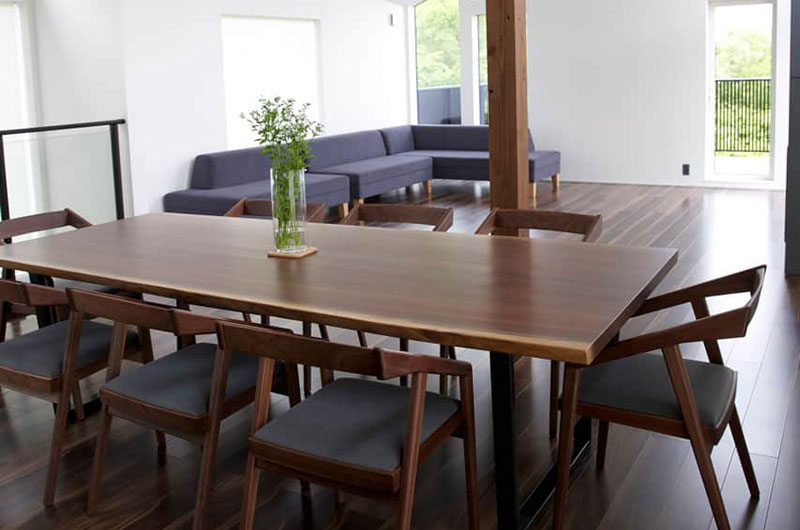
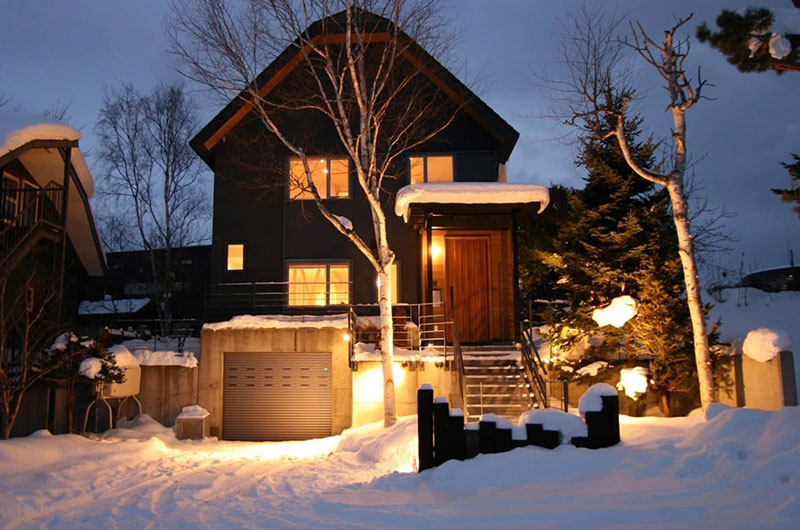
Furano Chalets
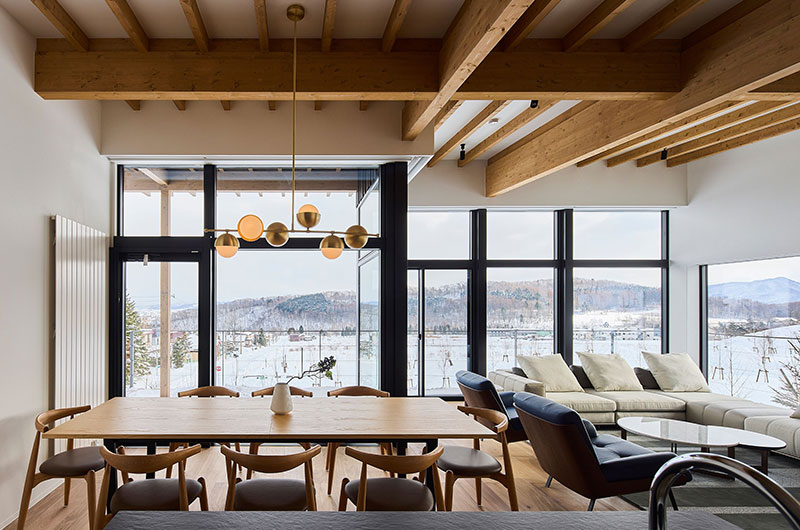
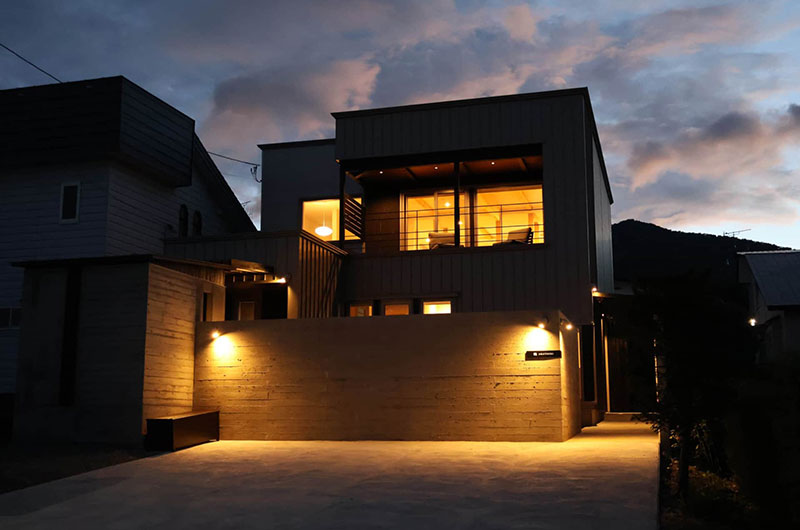
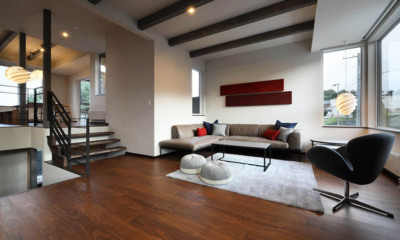
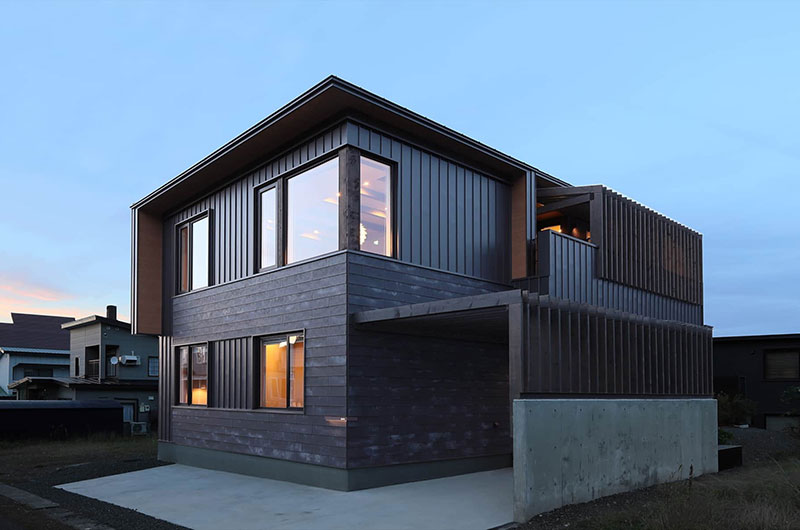
There are more than a dozen Ministry Approved chalets in Furano. Furano chalets range from around USD $400 per night for a two-bedroom chalet to over USD $1,600 per night for a four-bedroom luxury chalet.
Practical Information
Getting There
The closest airport is New Chitose Airport (CTS) which is located in the metropolitan area of Sapporo, about 125 kilometres from Furano. New Chitose is an international airport with direct connections to Tokyo, Osaka, Hong Kong, Bangkok, Singapore, Sydney (seasonal connection), and more. Airlines flying to New Chitose include ANA, Cathay Pacific, Singapore Airlines, Jetstar, and more.
Currently, visitors from 72 countries are entitled to a 90-day visa on arrival to Japan. This means you don’t need to apply for a visa beforehand – your passport will simply be stamped on arrival. Visitors from other countries will need to obtain a visa before entering Japan.
AIRPORT TRANSFERS
With the airport located over 120 kilometres from Furano, we recommend arranging your arrival transfers prior to landing. Our concierge team will be happy to arrange the transfers for you, taking all the hassle out of logistics.
BY BUS
The most straighforward and affordable way to reach Furano from the airport is by bus. The bus transfers need to be booked in advance – our concierge team can organise this for you. The bus ride to Furano takes about 2,5 hours.
PRIVATE AIRPORT TRANSFERS
For the most comfortable ride possible, our team can arrange private airport transfers for you and your group. This will bring you from New Chitose Airport directly to your accommodation in Furano in the comfort of your own private vehicle.
Getting Around
There are a few options for getting around Furano. Here, we’ve ranked them according to our recommendations for first-time travellers.
ON FOOT
If you are staying in Kitanomine (where most of the accommodation is located), you can generally make your way around on foot. Everything in the main village is within a 15-minute walk from the gondola, though it might feel longer if you’re schlepping your ski gear. Also keep in mind that the streets might get slippery and watch out for snow and ice falling from the roofs. If you’re staying further out or want to pop over to Furano Town, walking is not the most practical option.
TAXI
For sporadic trips in the local area, you can arrange a taxi. Furano Taxi is the main company operating in the area and you can book a ride over the phone. Ride hailing services like Uber and Grab are not available. Both the call centre and the drivers tend to have limited English, so be prepared to make use of translation apps. It’s also good to have the name and map of where you’re going written down, preferably in Japanese. Oh, and expect to pay in cash.
RENTAL CAR
Self-driving is one of the best ways to explore Furano, provided you have prior experience of driving in the snow. Having your own set of wheels comes in handy if you’re staying in a more remote part of Furano or are looking to explore the wider area. To rent a car as a foreigner in Japan, you must have an international driver’s permit based on the 1949 Geneva Convention.
Etiquette
Japan is known for its polite culture. Following the local etiquette might seem daunting but you shouldn’t stress over it as locals tend to be very understanding and forgiving toward visitors. While the ski resort has become quite westernised, visitors should still respect local customs and etiquette. Rather than fixating on specific rules, the most important thing is to remain kind and adhere to basic decency.
TIPPING
Tipping is not customary in Japan, so it’s not expected. In fact, tipping might even be considered rude as it might cause embarrassment to the recipient. This is a huge faux pax in Japan where great emphasis is placed on saving face.
CLOTHING
When it’s cold outside – and it can get well below freezing in Furano – the most important thing is to dress warmly. Opt for warm layers and choose breathable materials with insulating and moisture-wicking properties. Your footwear should keep your feet warm as well as help you navigate the slippery roads. When it comes to etiquette, remember to remove your shoes when entering a home, chalet, or hotel room. This is customary in Japan and most accommodation will provide slippers that you can wear indoors.
ONSENS
Bathing in an authentic onsen (a natural hot spring bath) can be an incredibly relaxing experience. However, there is a certain etiquette every visitor should follow. Most onsens have separate sections for men and women. Because you enter the water naked, you are expected to shower thoroughly before getting in. Also, never let your towel touch the water. If you have visible tattoos, you might be refused entry as tattoos remain something of a taboo in Japan. For more details, you can find our guide to onsen etiquette here.
Health & Safety
Like the rest of Japan, Furano is generally a very safe place to visit, and crime is exceedingly rare. Most accidents happen due to challenging weather and icy road conditions. The advice provided here is a general guide only and does not replace the advice of a doctor.
MEDICAL CLINICS
There are a few medical clinics and two hospitals in Furano, with all of them located in the main town. While service in English will typically be quite limited, medical care in Japan is of the highest international quality. This also means that treatment can get very expensive very fast so do make sure that your travel insurance covers medical expenses.
PHARMACIES
There are several pharmacies located in Furano Town. You can also pick up basic pain killers and cold medicine at convenience stores.
SNOW AND ICE
Most accidents in Furano happen due to weather conditions and/or taking risks while skiing. Always follow the resort guidelines to stay safe on the slopes. Don’t self-drive if you’ve never driven in the snow before. Pedestrians should keep in mind that the streets can get very slippery. You should also watch out for snow and ice falling from the roofs.
THEFT
Japan has one of the lowest crime rates in the world and crimes of any kind are very rare in Furano. That said, petty theft can occur anywhere so take the same precautions you would when travelling anywhere else in the world. Keep an eye on your belongings, stay aware of your surroundings, and don’t leave your skis or snowboard unattended. Carry only the essentials with you and leave any valuables stored in your chalet’s safe.
Need to Know
Here’s the absolute essentials explained.
CURRENCY
Japanese Yen (JPY) is the local currency and overall, cash is king in Furano. Smaller businesses in particular might not accept credit cards, so carrying some yen is a good idea. There are a handful of ATMs available in Furano (7-Elevens will usually have one), with most of them located in the main town. That’s why it’s better to plan ahead and secure some yen before travelling to Japan or get some at the airport in Sapporo. In Japan, money is usually not passed directly from hand to hand but instead placed in a small tray at the cashier.
LANGUAGES
Japanese is the local language used in Furano, but you can generally get by with English in the ski resort. Once you head outside the resort area however, English speakers will be in shorter supply. To help navigate language barriers, make use of translation apps. When heading out in a taxi, it’s good to have your destination and map at the ready in Japanese.
Good morning = Ohayou gozaimasu
Good afternoon / Hello = Konnichiwa
Good evening = Konbanwa
Good night = Oyasumi nasai
Thank you = Arigatou gozaimasu
You’re welcome = Dou itashimashite
How are you? = O-genki desu ka?
I’m fine = Genki desu.
Yes = Hai
No = Iie
Excuse me = Sumimasen
Sorry = Gomen nasai
1 = Ichi
2 = Ni
3 = San
4 = Shi
5 = Go
6 = Roku
7 = Shichi
8 = Hachi
9 = Ku
10 = Juu
20 = Nijuu 30 = Sanjuu
100 = Hyaku 200 = Nihyaku
Do you speak English? = Eigo wo Hanasemasu ka?
I don’t understand. = Wakarimasen.
Help! = Tasukete!
Be careful! = Ki o Tsukete!
No problem! = Kamaimasen!
POPULATION
Furano has a population of about 22,000. Interestingly, while the overall population has seen a slight decline in recent years, the number of foreign residents has multiplied. That said, foreigners residing in the area can still be counted in the hundreds.
TELECOMMUNICATION
Japan’s country code is +81. Data speeds of 4G and faster is the norm across Japan. To use the local mobile networks, you will need an unlocked phone which can access 4G networks (3G is currently being phased out in Japan and might lead to limited coverage). The easiest way to stay connected is to purchase an eSIM card prior to arrival. Alternatively, you can pre-order a prepaid SIM card and pick it up on arrival at the airport or purchase one once you land. Either way, we’d highly advise arranging this before exiting the airport as it will be trickier to pick up a SIM card once in Furano. Many of the restaurants and practically all accommodation in Furano offer free Wi-Fi. However, finding free access points will become harder as you venture into more rural areas.
TIME ZONE
Furano follows Japan Standard Time, which is nine hours ahead of Greenwich Mean Time (GMT) / Universal Time.
Travel Insurance
Travel insurance is absolutely essential for every traveller. A typical travel insurance policy will have coverage for a traveller’s main concerns, including trip cancellations, medical emergencies, travel delays, and lost luggage. Most policies are built to be comprehensive to protect travellers from a variety of events that may cause financial loss before or during their trip. Some policies specifically exclude ‘dangerous activities’ so be sure to check what is covered in your policy.
Furano Stories
Furano is a fascinating Japanese ski town whose allure goes far beyond its famous slopes. The region is dotted with delicious izakaya restaurants, gorgeous flower fields, and hidden karaoke joints that are just waiting to be discovered. Check out our latest Furano blog posts written by experienced Ministry of Villas travel writers.