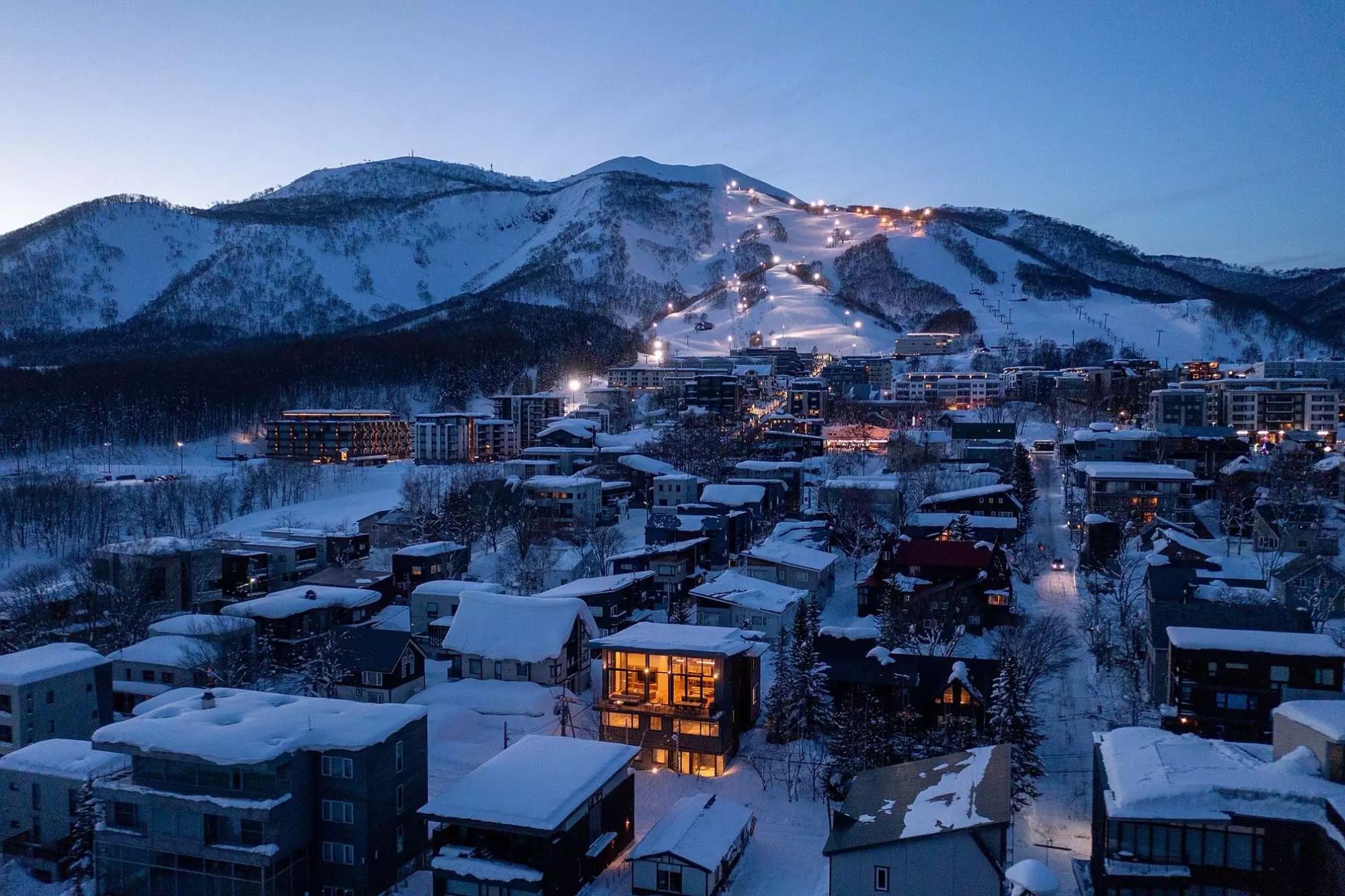

If your social media algorithm leans toward travel content, it’s more than likely that you’ve heard the name Niseko. In the past few years, this Japanese ski resort has become one of the most buzzed about destinations in Asia.
But it wasn’t always this way.
Here, we look at how Niseko emerged as the powder powerhouse it is today – and what the future holds for the Aspen of Asia.
The Early Years: 1980s & 1990s
As legend has it, Austrian ski pioneer Theodor von Lerch Edora became the first person to climb and ski Mount Yotei in the early 1900s. This began Niseko’s ascent into the world-renowned ski destination it is today.
The region’s first ski lifts began operating in the 1960s at what would later become the Grand Hirafu resort. During the economic boom of the 1980s investment poured into Niseko. After the bubble burst in the early 1990s, things slowed down – until Australian skiers started to discover the area in a big way.
Discovery: 2000-2006
Following a handful of trailblazers who visited Niseko during the 1990s, Australians started arriving en masse from the year 2000. At first, that meant between 1,000-2,000 visitors a year. By 2006, between 10,000-15,000 overseas visitors were arriving in Niseko every year. This change in demographic began to shape the local landscape.
In the early 2000s, Hirafu was home to large, utilitarian hotels and a mix of small, medium and large pensions. These were privately owned, family-run dwellings – the local equivalent to a bed and breakfast. However something new was about to arrive on the scene: resort housing. These were small modern houses designed to provide self-contained accommodation for travellers rather than them staying in family run pensions or older style hotels.
That same period also saw the construction of the first condominiums in the upper village. First Tracks, a complex with 4x 2-bedroom apartments built right on the ACE family ski run, opened in 2003. Following its success, a few more small condominiums were built the following year.
This period was the first of Niseko’s modern development booms. By 2006, there were around eight small to medium condominiums, with a few larger townhouses starting to pop up as well.

Rollercoaster: 2006-2011
Up until this point, most if not all development in Niseko had been done by Australians. This began to change in the mid-aughts when developers started to move in from Malaysia, Singapore and Hong Kong and construction projects began to grow in size.
Niseko’ star was on the rise and Hilton became the first international brand to recognise its potential. Hilton Niseko Village opened its doors in Niseko Village (formerly known as Niseko Higashiyama) in 2008.
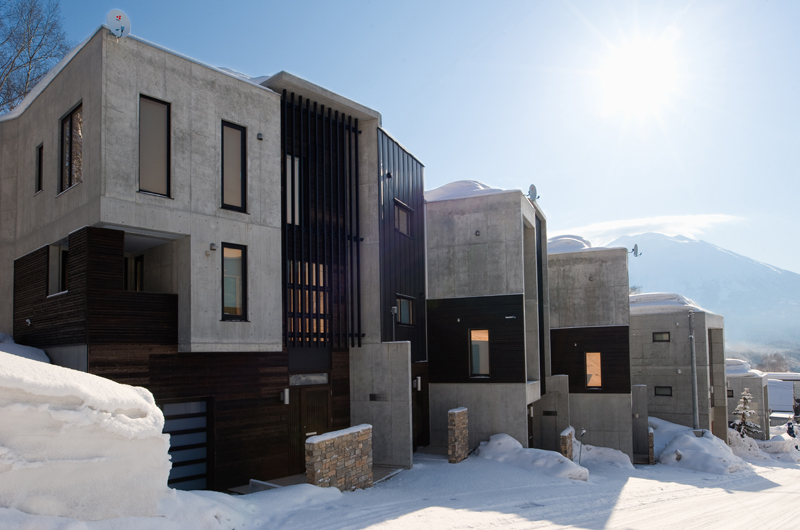
When we visited Niseko that same year, there was a vibrant bustle about the area – but everything felt very concentrated around Hirafu. There was construction taking place all over town. This included the cool and contemporary konkuriito chalets that have now become a hallmark of the Niseko landscape.
The early aughts exemplify how Niseko has always grown in fits and starts. Following a period of heavy investment, the 2008 economic crisis and the 2011 earthquake halted development projects. But it wasn’t long before things kicked into high gear again.
Slow & Steady: 2012-2015
In 2012, Shiki Niseko opened its doors in Hirafu Village (the property has since been rebranded as Chatrium Niseko). This trailblazing condotel was built by a large Malaysian developer – another sign of the international investment pouring into Niseko. However, with the aftereffects of the economic crisis still lingering, Shiki remained a lonesome pioneer until 2015 or so when development really kicked back in. This is when major international hospitality brands began to claim their stake in Niseko.
While developers were still biding their time, travellers were discovering Niseko in growing numbers. Following the Australians who in many ways had pioneered Niseko, more and more travellers were arriving from Hong Kong, Singapore and Malaysia.

Major Players: 2015-2020
After years of speculation surrounding international brands’ plans for Niseko, 2015 saw the long-awaited confirmation of the Park Hyatt project actually moving ahead. The development was headed by Hong Kong business titan Richard Li. Following hundreds of millions of dollars in investment, Park Hyatt Hanazono officially opened in 2020. This helped solidify Niseko as a major player on a global scale.
Meanwhile, other developers were building ambitious ski-in/ski-out venues at the foot of the ski hill. The condominiums built during this period (including Aspect Niseko, AYA Niseko and Muse Niseko) were larger and featured bigger apartments and swanky penthouses.
The demographic was also beginning to skew toward wealthier, high-net worth individuals, with the likes of Jack Ma and Chalerm Yoovidhya reportedly building chalets in the area. We also began to see the impact of social media with affluent Asian influencers arriving to shoot content on the slopes. Around 2016, we had a Bollywood star stay with us. Jackie Chan visited Niseko and so did Lewis Hamilton.
It was now official: Niseko had made it on a global scale, within the upper echelon of fame and fortune.

To The Moon: Beyond 2020
After travel restrictions brought on by the pandemic began to lift, the world went into a travel frenzy. As the world opened up, Niseko cemented itself as the number one winter destination in Asia. The boom was bigger than anyone could have predicted.
The travellers flocking to Niseko now are not just skiers and foodies drawn in by the local dining scene. We’re now seeing more and more visitors who don’t know anything about skiing or snow – they simply want to come and experience winter wonderland in Niseko.
Niseko’s accommodation offerings have also been transformed. The area now has a dozen top-class condominiums (including Niseko Kyo and Sansui Niseko) with many of them offering ski-in/ski-out access. This new breed of accommodation offers plush comfort for affluent visitors, regardless of their level of experience or even interest in skiing.
For the first time, Niseko is also seeing six-star level service in condominiums and chalets alike where a team of staff is on hand to look after your every need, and the best chefs are flown in from across Asia solely for the guests’ benefit.
We’ve now entered an era that will put Niseko alongside some of the best ski resorts in the world. For a number of years Niseko had the aspirations of being one of the greats, and it was by far the number one ski destination in Asia. Now the combined efforts and investment of the past two decades are paying off on a global scale. Niseko now has many of Asia’s best restaurants, hotels and condominiums, and offers European style luxury, opulence and service on the ski slopes.

A Bird’s Eye View of Niseko Today
Though Niseko is booming as a whole, each ski resort has moved at its own pace. Let’s take a closer look at how each resort is faring.
Hirafu remains the centre of the action in Niseko. With most of the restaurants and accommodation options still located in Hirafu, it’s where most people end up staying. Roughly speaking, about 70-80% of Niseko’s accommodation is centred around Hirafu which also has the widest range of restaurants, activities and service providers available.
However, over the past 10 years, Niseko has definitely expanded with development, accommodation and services now reaching far beyond Hirafu.
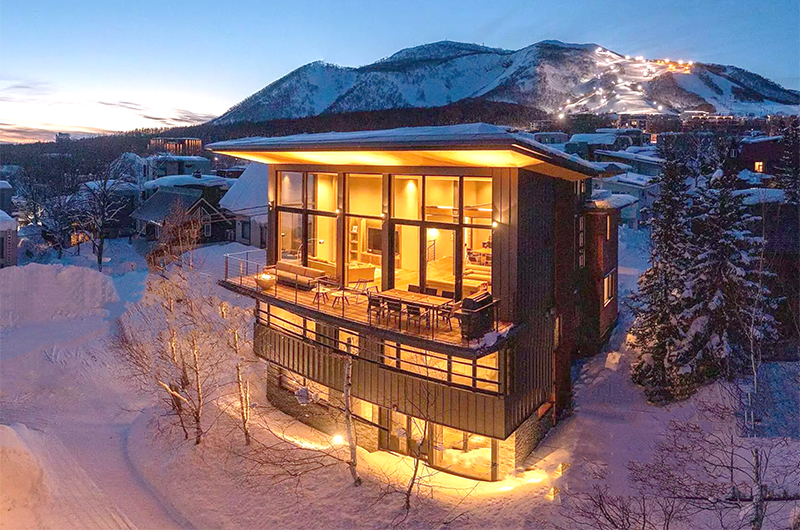
Hanazono is a (very high-end) village unto itself, with the Park Hyatt positioned at its epicentre. Being quite hotel centred, the resort doesn’t have the organic feel of a village where multiple businesses operate.
There’s quite a lot of development going on in the area, with a new Nikko brand hotel scheduled to open in 2024. A few, boutique style ryokan hotels are also in the works. A few mega chalets have been built in the area, with Park Hyatt branded residences (reportedly designed by Kengo Kuma) and new golf villas also on the horizon.
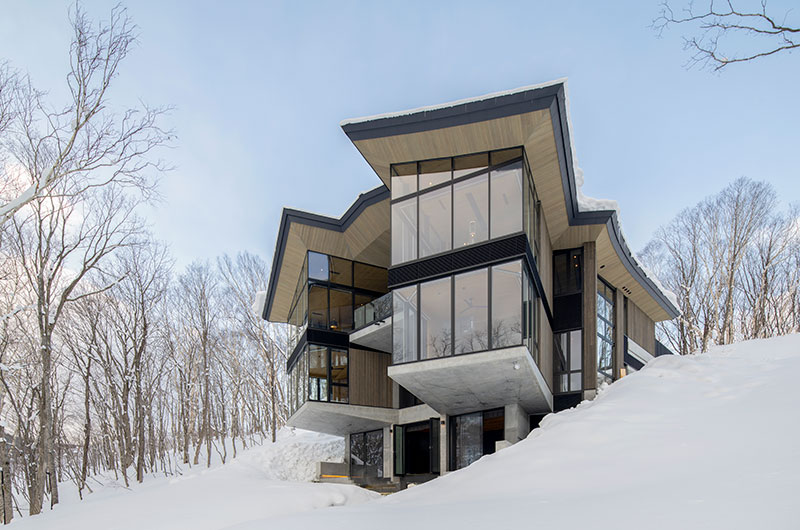
Niseko Village has a lot going on. The resort welcomed a Ritz Carlton Reserve in 2020 – there are only five of these in the world. Development has also begun on a Moxy hotel – a mid-range Marriott offering targeted for millennials. Sites are also ready for several new hotels, including a Mandala condominium with international hotel brands also looking to open venues. The resort is also building up its dining scene, with a Mandala Club opening its doors in 2023.
Out of all the resorts, Niseko Village has the widest range of accommodation being built: huge chalets are being erected in the woods with condominiums and hotels laying the groundwork in the resort. Whereas everything in Hirafu is walking distance, Higashiyama (the area surrounding the Niseko Village resort) remains more spread out, so visitors rely on the resort bus to get around.
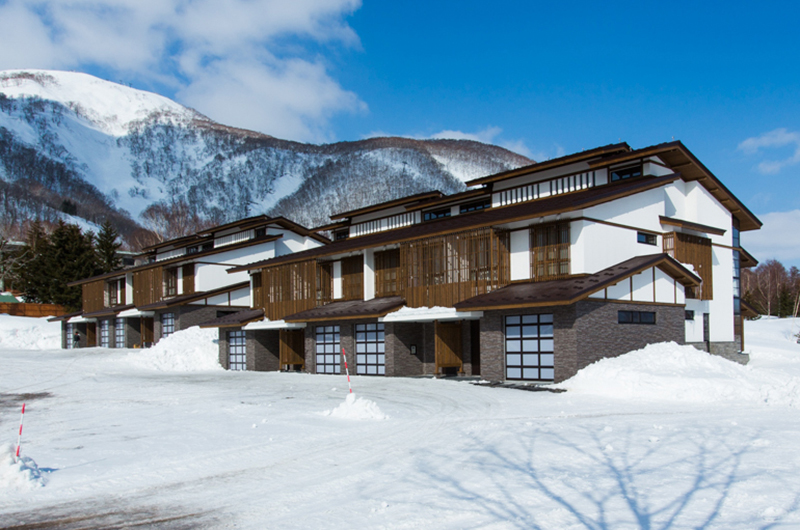
Annupuri is still the quietest of the four Niseko United resorts. While the resort still maintains shades of the 1970s and 1980s, there is quite a lot of development going on, especially around the Annupuri Garden development – this is the area where Jack Ma owns a property. There are a few big chalets in the area, including Seasons Residence which is a six-star serviced chalet.
There are whispers of the resort management heading for a takeover which might push Annupuri further in development. The way things stand, the lifts are quite dilapidated and in much need of upgrade.
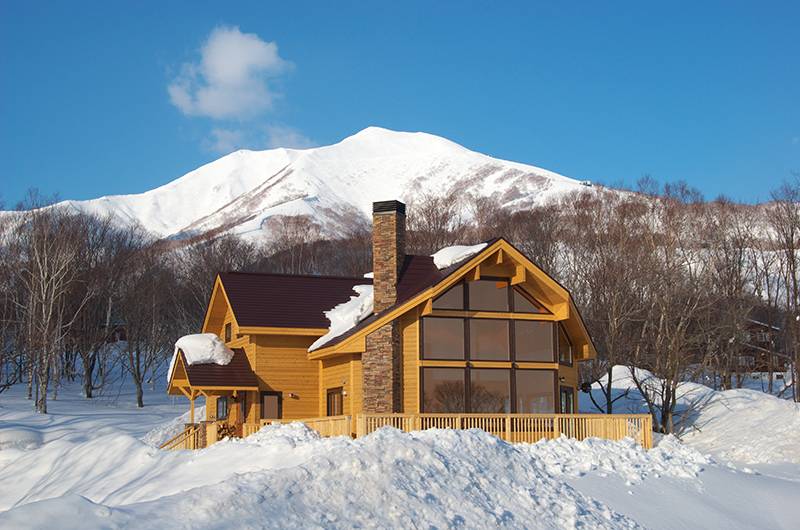
Moiwa is not part of Niseko United, but it is located just 500 metres from Annupuri. It is the westernmost resort in Niseko and closest to the snow front that comes in. It’s not very developed at the moment – but that might be changing.
An Aman resort has been in the works for some years now and while there has been no official announcement as of yet, roads are currently being built in the area and we expect foundations to be in the ground next year. The property will feature a hotel and somewhere between 20-30 villas. The resort is set to open in 2027.
It will be interesting to see if Annupuri-Moiwa will emerge as a six-star enclave or will it become more of a vibrant mix like Niseko Village.

To keep up to date on the development taking place in Niseko, visit Powderlife.com for information. Powderlife’s real estate section is the leading source for news and updates in the region so you can stay well informed on the opportunities occurring on the ground in Niseko.